Open Concept vs. "Broken-Plan" Layouts: Which Is Right for Your Family?
Understanding Open Concept Layouts
At Designer Homes, we recognize that the architectural choices you make can redefine the experience of home living. One of the most popular trends in modern home design is the open concept layout, which promotes a seamless flow between spaces and fosters a sense of connection throughout the home.
What is an Open Concept Layout?
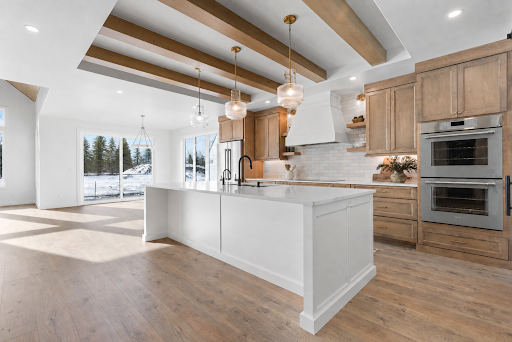
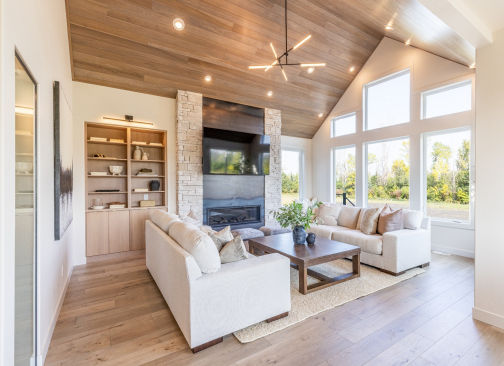
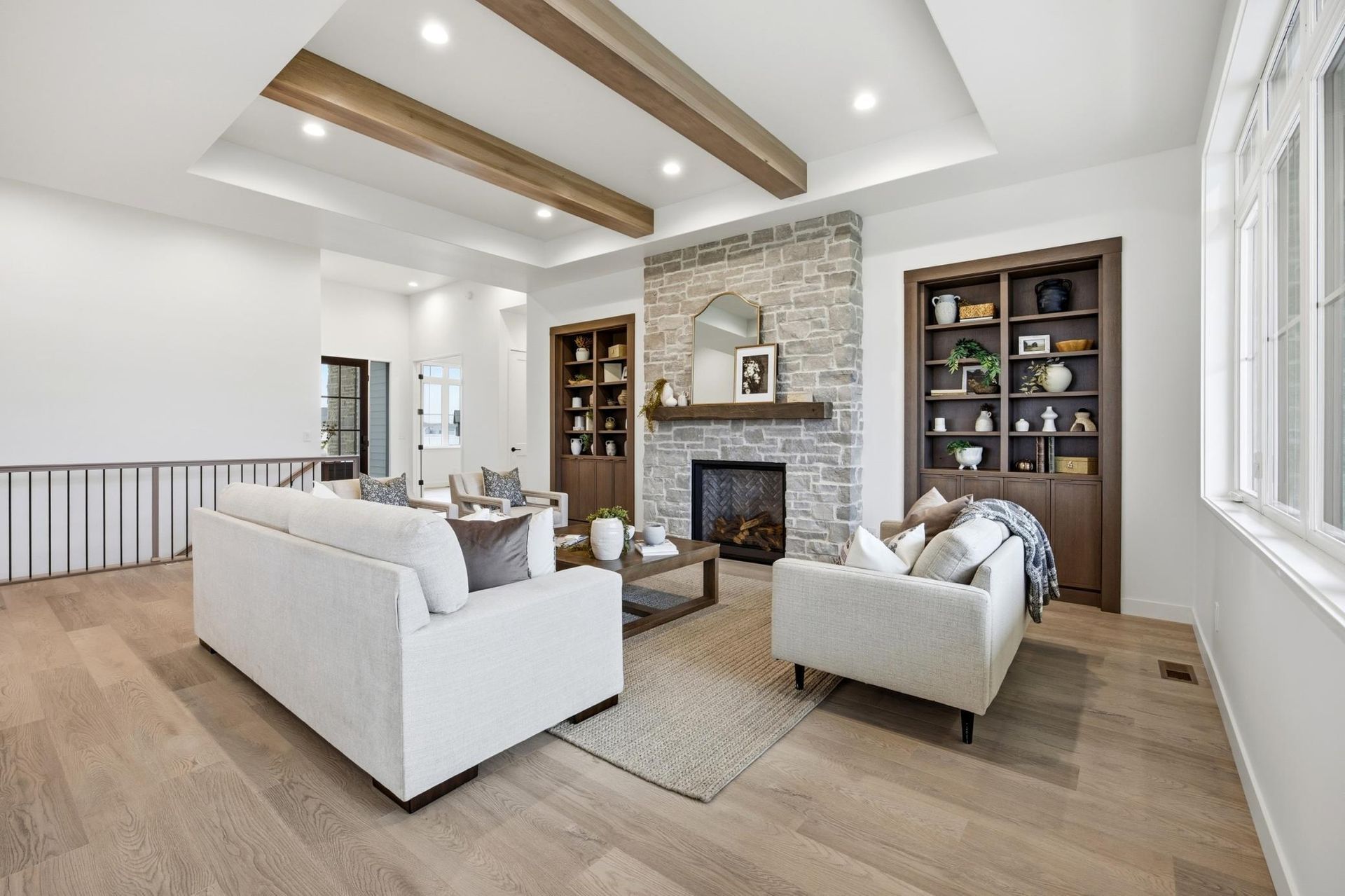
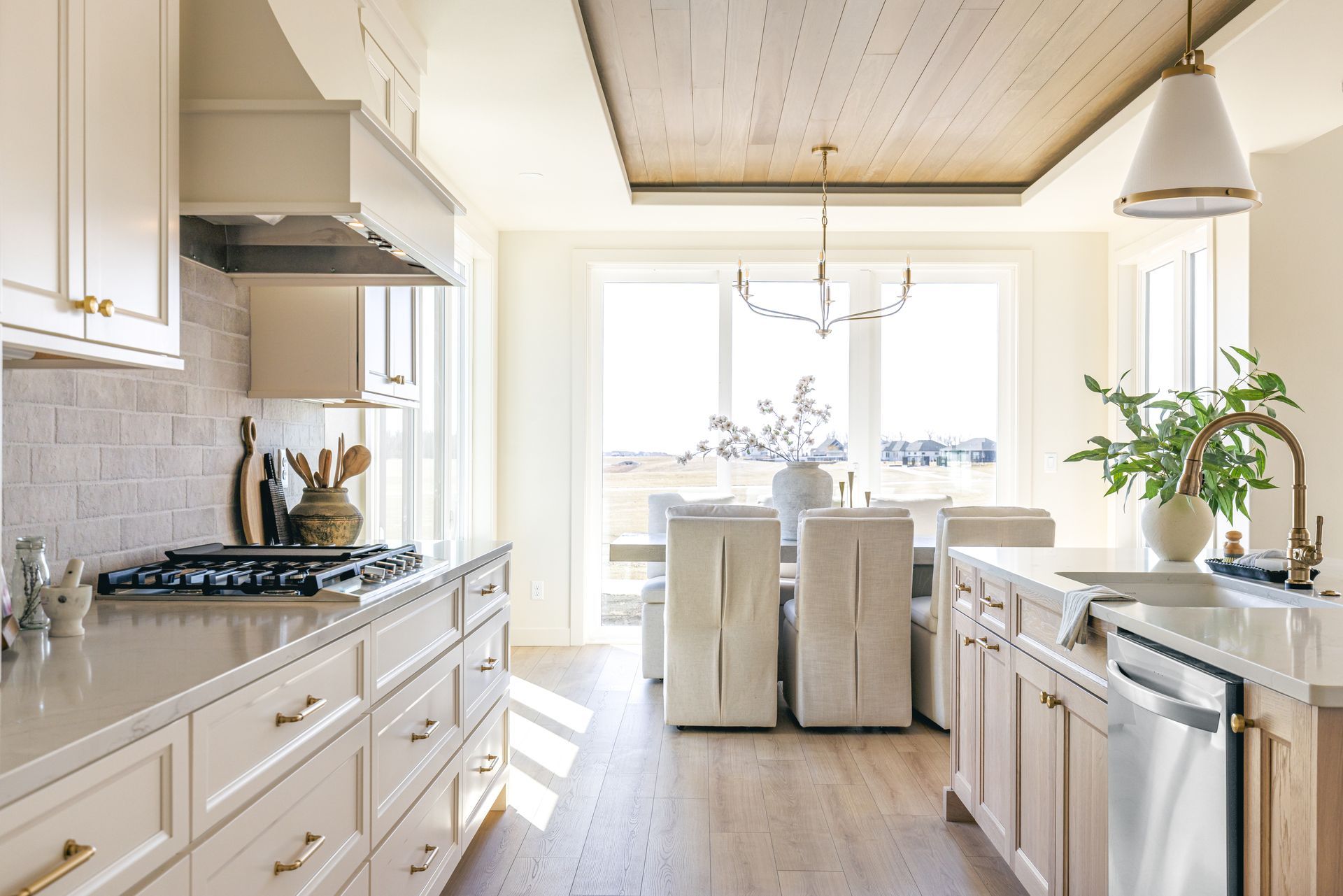
An open concept layout eliminates traditional barriers such as walls and doors between key living areas, typically encompassing the kitchen, dining, and living spaces. This design approach enhances natural light, encourages social interaction, and creates an expansive feel in the home.
Benefits of Open Concept Layouts
- Enhanced Social Interaction: Open plans allow family members and guests to engage with one another regardless of where they are within the shared space. It’s perfect for hosting gatherings or simply keeping an eye on children while preparing meals.
- Greater Flexibility: The flexibility of an open layout allows homeowners to arrange furniture and decor according to their personal style and needs, making it easy to adapt the space as life evolves.
- Natural Light Flow: Without walls obstructing light, these designs maximize the use of windows and natural illumination, creating a bright and inviting atmosphere throughout the home.
- Efficient Use of Space: Open concept designs can make smaller homes feel larger and more spacious, maximizing the utility of square footage while providing a comfortable and cozy environment.
- Timeless Appeal: The modern aesthetic of open concept layouts aligns with contemporary living standards, providing enduring value that appeals to a wide range of buyers.
Considerations for Implementing an Open Concept Layout
While there are numerous advantages to open concept designs, it’s essential to consider factors such as:
- Functionality: Ensure that the flow between areas suits your lifestyle. Consider how you and your family will use the space daily.
- Acoustics: An open layout can sometimes amplify sounds. Carefully select materials and furnishings that will help manage noise levels.
- Zoning: Strategic use of area rugs, furniture placement, and architectural features can help delineate spaces and create distinct zones within the larger area.
Partner with Designer Homes
At Designer Homes, our experts are passionate about integrating open concept layouts into our designs while ensuring they complement the overall flow and functionality of your home. Whether you’re looking for a move-in ready residence or dreaming of a custom-built masterpiece, we are committed to delivering an exceptional living experience tailored to your lifestyle.
Let us guide you through the process of crafting a home that reflects your vision, characterized by elegance, quality craftsmanship, and a harmonious living environment. Contact us today to learn more about our innovative design solutions!
Exploring "Broken-Plan" Layouts
At Designer Homes, we understand that the right layout can elevate everyday living to an art form. One trend that has gained substantial traction in modern home design is the "broken-plan" layout. This innovative approach offers flexibility and openness while maintaining a sense of distinctiveness across living spaces.
What is a Broken-Plan Layout?
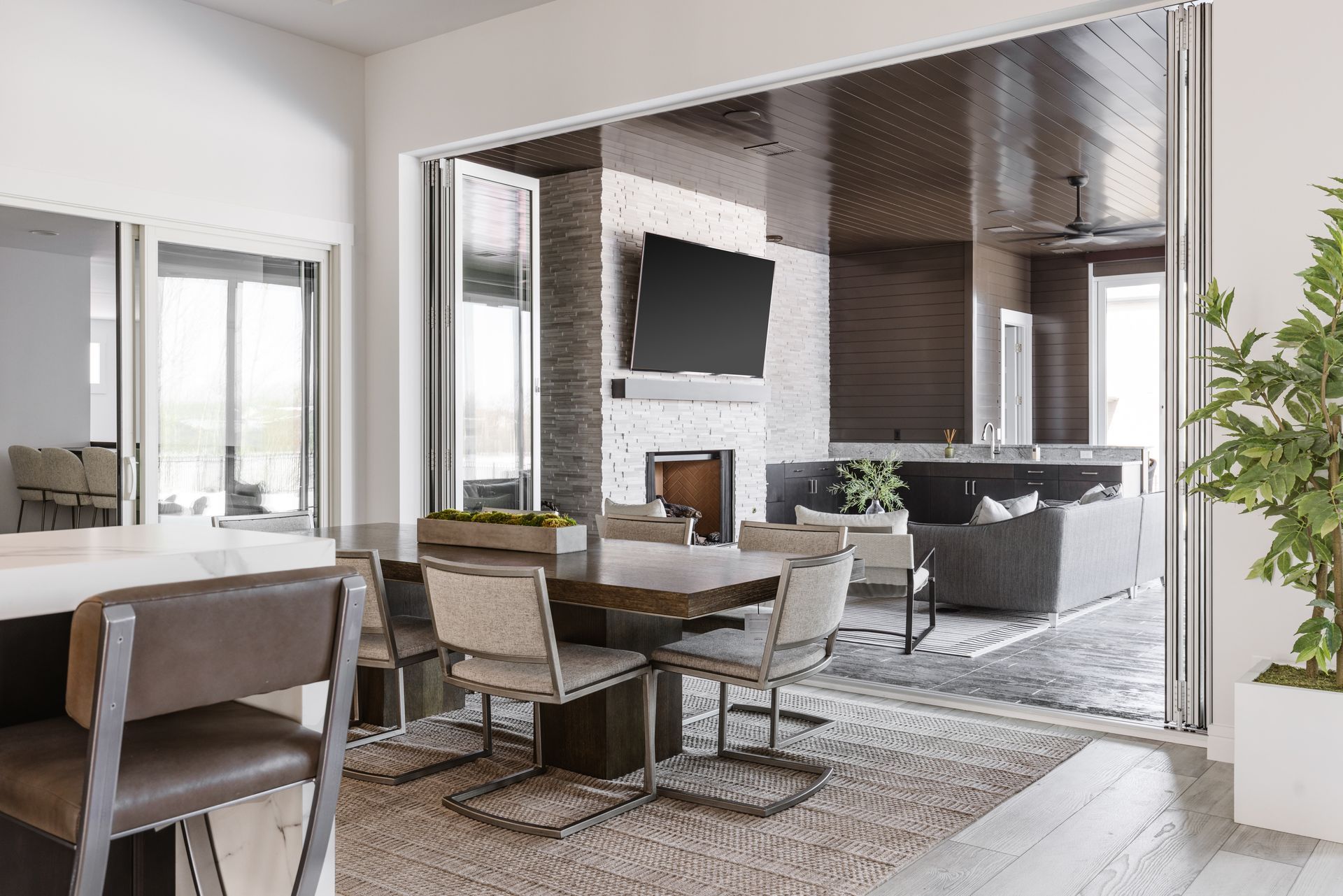
A broken-plan layout is characterized by a largely open space that is subtly delineated into different zones through various architectural elements such as furniture placement, subtle level changes, or partial walls. This design philosophy allows for a fluid flow between rooms while providing privacy and a cozy atmosphere within each zone.
The Benefits of a Broken-Plan Layout
- Enhanced Social Interaction: With its open-concept nature, a broken-plan layout fosters interaction and connectivity. It’s perfect for families or those who enjoy entertaining guests, as it allows for seamless transitions between spaces while maintaining a sense of togetherness.
- Flexibility in Functionality: The beauty of a broken-plan layout lies in its adaptability. Homeowners can easily modify the use of spaces as their needs change over time, whether accommodating a growing family or reimagining areas for remote work.
- Maximized Natural Light: By reducing the number of solid walls, broken-plan layouts promote the flow of natural light throughout the home. This creates a bright, airy environment that enhances well-being and comfort.
- Creative Design Opportunities: The breakdown of traditional rooms invites homeowners to express their style through creative design solutions. From innovative furniture arrangements to the incorporation of vibrant decor, a broken-plan layout serves as a perfect canvas for personal touches.
Guidance from Designer Homes
At Designer Homes, our team of experts is here to help you navigate the exciting world of broken-plan layouts. With over a decade of experience in creating luxurious, functional homes, we prioritize quality craftsmanship and exceptional design. Whether you're envisioning a move-in ready residence or a custom-built masterpiece, we ensure that every detail enhances your lifestyle, making every home a sanctuary of comfort.
If you’re considering a new home that embraces the broken-plan concept, we invite you to contact us. Let Designer Homes turn your vision into a reality, blending inspiration with exceptional craftsmanship in every project we undertake. Together, we can create a space that not only meets your needs but also elevates your everyday living experience.
Pros and Cons of Open Concept Layouts
At Designer Homes, we recognize that the choice of layout greatly influences the functionality and feel of a home. Open concept layouts have become increasingly popular among modern homebuyers for their unique benefits, but they also come with certain drawbacks. Below, we outline the pros and cons to help you make an informed decision for your new home.
Pros
- Enhanced Flow and Space: Open concept designs create a seamless flow between living areas, making spaces feel larger and more inviting. This layout can enhance the sense of openness, perfect for both family gatherings and entertaining guests.
- Natural Light: By removing barriers such as walls, open concepts allow for an abundance of natural light to flow throughout the space, which can help reduce energy costs and create a brighter, more cheerful environment.
- Functional Interaction: Open layouts facilitate interaction among family members and friends, allowing for a more inclusive atmosphere. Whether cooking in the kitchen or relaxing in the living area, you can engage with others without feeling isolated.
- Design Versatility: The flexibility of an open concept allows homeowners to personalize their space with various design elements. It provides an opportunity to experiment with furnishings and decor that complement the overall aesthetic.
- Increased Property Appeal: Open concept homes tend to attract buyers due to their modern, spacious designs. This can lead to a strong resale value, as many buyers are actively looking for this type of layout.
Cons
- Noise Levels: One of the most significant downsides of an open concept layout is the potential for increased noise. Without walls to absorb sound, common areas can become quite loud, making it challenging for family members to enjoy quiet activities.
- Lack of Privacy: The open design can lead to a lack of privacy in shared spaces. This can be a concern for families with varying schedules or those who appreciate a more intimate environment.
- Less Wall Space: An open concept layout often minimizes the amount of wall space available for artwork, storage, or furniture placement. Homeowners may need to get creative with storage solutions to compensate for this limitation.
- Temperature Control: Maintaining a consistent temperature throughout an open space can be difficult. This layout may lead to some areas feeling colder or warmer than others, complicating climate control.
- Visual Clutter: Open layouts require careful organization, as each area is more visible to the rest of the home. Without proper management, everyday items can contribute to a cluttered appearance, making the space feel chaotic rather than inviting.
Conclusion
At Designer Homes, we understand that the choice of an open concept layout is a personal decision that depends on individual lifestyles and preferences. We encourage our clients to weigh these pros and cons carefully and consider how this design choice aligns with their daily lives. Our team is dedicated to guiding you through every step of crafting a home that not only meets your aesthetic desires but also enhances your overall living experience. Whether you prefer the expansiveness of an open layout or a more traditional design, we’re here to make your vision a reality.
Pros and Cons of "Broken-Plan" Layouts
At Designer Homes, we understand that choosing the right layout for your home is crucial to achieving a functional and luxurious living space. The "broken-plan" layout concept, which features distinct zones while maintaining a sense of openness, has become increasingly popular. Here are some pros and cons to consider:
Pros
1. Enhanced Flexibility
Broken-plan layouts allow for versatile spaces that can adapt to different activities. This flexibility is ideal for modern families who require multi-functional areas for work, play, and relaxation.
2. Defined Spaces
By segmenting the living area into designated zones, you can create a sense of purpose in each space. This is great for organizing the home and ensuring that each area serves its intended function effectively.
3. Natural Light Flow
The design often encourages light to flow freely through the home. Open spaces that are broken up with partial walls or distinct features allow for abundant natural light, enhancing the overall ambiance.
4. Improved Privacy
Although the layout is open, breaking it into different areas can provide a level of privacy that fully open plans may lack. This is particularly beneficial for families with varying needs for personal space.
5. Aesthetic Appeal
The artistic nature of broken-plan layouts can create visually appealing environments. Clever use of design elements like partitions or furniture can add character while maintaining elegance.
Cons
1. Potential for Noise
With multiple interconnected areas, sound can easily travel throughout the home. For families looking for peace and quiet, careful consideration of room placement and materials is essential.
2. Complexity in Design
Designing a broken-plan layout can be more complex than an open-plan space. Achieving the right balance of openness and defined areas requires thoughtful planning and skilled craftsmanship.
3. Furniture Arrangement Challenges
Finding the right furniture and arrangements to complement a broken-plan layout can be tricky. Ensuring that the pieces not only fit the style but also enhance functionality is crucial.
4. Higher Costs
Depending on the materials and designs chosen, broken-plan layouts can sometimes be more expensive to construct than traditional designs. Budgeting appropriately is vital to achieving your dream home without overspending.
5. Diminished Sense of Community
For some, the segmented nature of a broken-plan home may feel less inviting than a completely open space. It’s important to consider how you and your family interact in your living environment.
Conclusion
At Designer Homes, we recognize that the choice of a broken-plan layout can significantly influence the overall design and functionality of your home. By weighing these pros and cons, you can make an informed decision that aligns with your lifestyle and aesthetic preferences. Whether you seek a move-in ready residence or a custom-built masterpiece, our team is here to guide you in creating a harmonious living space that fulfills your family's needs.
Factors to Consider When Choosing a Layout
When selecting the ideal layout for your new home, there are several critical factors to consider that will influence both functionality and aesthetics. At Designer Homes, we believe that a well-thought-out layout serves as the foundation for a luxurious and inviting living space. Here are key factors to keep in mind:
- Lifestyle Needs: Consider your family's lifestyle and daily routines. Do you entertain often? A spacious open-concept layout may be ideal. Alternatively, if you prioritize privacy, look for designs that incorporate distinct, secluded areas.
- Square Footage: Assess the total square footage available and how you can optimize that space. Ensure that your chosen layout allows for efficient movement and flow throughout the home, maximizing every square foot without feeling cramped.
- Natural Light: A well-designed layout utilizes windows and openings to harness natural light, creating a brighter and more inviting atmosphere. Consider the orientation of your home and how it interacts with sunlight during different times of the day.
- Room Placement: Think about the strategic placement of rooms. For example, positioning bedrooms away from common areas can provide a peaceful retreat, while placing the kitchen near dining spaces encourages social interactions.
- Future Flexibility: Consider your long-term needs. A layout that allows for easy reconfiguration or expansion can be advantageous as your family grows or changes over time.
- Accessibility: Ensure that the layout accommodates all family members, including any specific requirements for accessibility. Thoughtful design choices can greatly enhance comfort for everyone.
- Aesthetic Appeal: The layout should reflect your personal style and taste. From open-plan spaces to traditional rooms, choose a design that resonates with your vision of luxury and comfort.
- Outdoor Integration: Don’t forget to incorporate outdoor areas. A layout that seamlessly connects indoor living spaces with outdoor patios or gardens enhances the overall living experience and expands your entertaining options.
- Storage Solutions: Adequate storage is essential in any home. Look for layouts that include built-in cabinetry, closets, and other clever storage opportunities to keep your home organized and clutter-free.
- Local Regulations and Site Conditions: Be mindful of local building codes, zoning regulations, and site-specific conditions that may influence your layout. Collaborating with our expert team at Designer Homes ensures that your design meets all necessary requirements.
Choosing the right layout is crucial for creating a home that not only meets your needs but also elevates your lifestyle. At Designer Homes, we are committed to helping you navigate these considerations, ensuring that every detail contributes to a luxurious and functional living environment.
How Family Dynamics Influence Layout Preferences
At Designer Homes, we understand that a home is more than just a structure; it’s a sanctuary where families create memories and nurture relationships. As family dynamics evolve, so too do the preferences for home layouts that accommodate various lifestyles. Here, we explore how understanding these dynamics can lead to the perfect design solution for your dream home.
1. The Multigenerational Home
With an increasing number of families opting for multigenerational living, the demand for adaptable spaces is rising. Homes designed with separate yet interconnected living areas allow for privacy while fostering family engagement. Features such as dual-master suites, in-law suites, or separate entrances are increasingly popular, ensuring comfort for everyone, from grandparents to young children.
2. Open Concept Living
Modern family dynamics often favor open concept layouts, where spaces blend seamlessly for communal activities. An open kitchen, dining, and living area fosters interaction, making it easier for families to gather, cook, and socialize. This layout encourages togetherness, allowing for lively conversations and shared experiences, while still accommodating individual activities through carefully defined space allocations.
3. Designated Work and Study Areas
As remote work and online learning become more prevalent, homes need to cater to these changing needs. Incorporating dedicated home offices or study nooks can significantly enhance productivity. Families can benefit from quiet areas that promote focus while remaining within the home environment. At Designer Homes, we prioritize thoughtful planning to integrate these spaces seamlessly into the overall design.
4. Kid-Friendly Spaces
Families with young children often prefer layouts that prioritize safety and accessibility. This may include features such as open sight lines, easy-to-navigate areas, and durable materials. Designing spaces that can adapt to a child’s growth—from playrooms that transition into study areas—ensures that homes meet the needs of evolving family stages.
5. Outdoor Connections
Family life often extends beyond the walls of the home. Outdoor living areas, such as patios or gardens, are essential for recreation and relaxation. Designing homes with easy access to these spaces encourages active family lifestyles, promoting outdoor activities and gatherings. A well-planned outdoor area can enhance the overall family experience, providing a perfect backdrop for cherished moments.
Conclusion
Understanding the intricacies of family dynamics allows us at Designer Homes to create layouts that are not only beautiful but functional and nurturing. By prioritizing the needs of families, we deliver homes that enhance daily living and foster connections. Whether you are looking for a custom-built masterpiece or a move-in-ready residence, our commitment to quality craftsmanship and elevated design ensures that every detail caters to your family's unique lifestyle. Let us help you create a home that truly resonates with your family's values and aspirations.
Design Tips for Open Concept Spaces
Open concept living has become a staple in modern home design, offering versatility and a sense of freedom that traditional layouts often lack. At Designer Homes, we understand the importance of creating spaces that are both luxurious and functional. Here are some expert tips to help you design your open concept space effectively:
1. Define Areas with Color
Use color strategically to distinguish different zones within your open concept layout. For instance, you might choose warmer tones for the living area and cooler shades for the dining space. This subtle variation can create a visual flow while maintaining the cohesive feel that open spaces offer.
2. Embrace Multi-Functional Furniture
In an open concept space, every piece of furniture should serve a purpose. Consider investing in multi-functional items, such as ottomans with storage or extendable dining tables. These pieces not only save space but also enhance the overall functionality of the area.
3. Create Visual Flow with Flooring
Using the same type of flooring throughout your open concept space can create a seamless look. Consider a high-quality hardwood or luxury vinyl that provides durability while simultaneously elevating the aesthetic appeal. Alternatively, use area rugs to define separate areas without overwhelming the space.
4. Use Open Shelving Strategically
Open shelving is a stylish way to enhance the sense of openness while providing functional storage. Use it to display decorative items, books, or kitchen ware that harmonize with your overall design theme, adding both beauty and practicality.
5. Incorporate Statement Lighting
Lighting can significantly impact the ambiance of an open concept space. Illuminate your area with statement fixtures like pendant lights over the dining table or a beautiful chandelier in the living area. Layering different types of lighting—ambient, task, and accent—can create a warm, inviting atmosphere.
6. Integrate Nature
Incorporating indoor plants can enhance the airiness of an open concept home. Consider various sizes and types of plants to create a natural focal point and infuse life into your space. A vertical garden or a cluster of planters can help bridge the gap between different areas.
7. Maintain Consistent Style
Whether your design style leans toward modern, rustic, or eclectic, ensure consistency throughout. Utilize a cohesive palette and complementary patterns to create a unified look across different spaces. This consistency will enhance the luxurious feel that Designer Homes aims to deliver.
8. Balance Space with Furniture Arrangement
Strategically arrange furniture to foster conversation while ensuring ease of movement. Avoid overcrowding by selecting appropriately sized furniture and leaving enough space between pieces. This balance creates a comfortable environment while allowing fluidity between areas.
9. Personalize with Art and Accessories
Open spaces offer a canvas for personal expression. Incorporate artwork, decorative pillows, and unique accessories that reflect your style. These touches will not only personalize the space but also contribute to its overall warmth and character.
10. Consult a Design Expert
If you're unsure how to best approach your open concept space, consider consulting with a design expert. At Designer Homes, our team specializes in crafting custom solutions that meet your personal needs, ensuring every detail aligns with your vision for luxurious, functional living.
By implementing these tips, you can maximize the potential of your open concept space, creating a home that is both stylish and purposeful. Explore more about our services at Designer Homes, where we turn your dream of elevated living into a reality.
Design Tips for "Broken-Plan" Spaces
At Designer Homes, we understand that modern living often requires flexibility and creativity in design. Broken-plan layouts—a trend blending open spaces with defined zones—offer a perfect solution for contemporary homes. Here are some expert tips to create a harmonious and functional broken-plan space:
1. Define Zones with Furniture Arrangement
Utilize furniture placement to establish distinct areas within an open layout. A strategically placed sofa can delineate the living room from the dining area, while an area rug can bring warmth and separation to each zone. Consider using multi-functional furniture, like ottomans or benches, to enhance versatility.
2. Incorporate Partial Walls or Screens
To create a sense of privacy without entirely closing off the space, think about installing partial walls, half-partitions, or decorative screens. These elements can provide structure while maintaining an open ambiance. Choose materials that complement your home's aesthetic, such as wood, glass, or metal.
3. Utilize Color and Texture
Use color to demarcate different areas and create visual interest. Soft, neutral tones can unify the space, while bold colors can highlight specific zones. Additionally, variations in texture—in upholstery, wall finishes, or accessories—can enhance the separation and add depth to each area.
4. Design Cohesive Flow
While broken-plan spaces benefit from distinct zones, it’s crucial to maintain a cohesive flow. Stick to a consistent color palette and design style across the different areas. This continuity fosters a sense of belonging while allowing for unique character in each space.
5. Incorporate Lighting Layers
Lighting plays a vital role in defining space and mood. Use a variety of light sources—overhead fixtures, floor lamps, and task lighting—to create layers. Dimming options can add flexibility, allowing each zone to shift from functional to ambient lighting depending on the time of day or activity.
6. Create Visual Anchors
Introduce focal points within each area, such as a statement piece of artwork, a stylish bookshelf, or a striking piece of furniture. These visual anchors draw attention and help to organize the space, making each zone feel intentionally designed.
7. Embrace Natural Elements
Incorporate natural elements such as plants, wood finishes, or stone accents to enhance the connection between different zones. Not only do they add warmth and texture, but they also promote a calming atmosphere conducive to comfortable living.
Conclusion
Designing broken-plan spaces offers an opportunity to reflect your unique lifestyle while fostering a sense of community within your home. At Designer Homes, our commitment to quality craftsmanship ensures that every design choice enhances both beauty and functionality. Whether you’re envisioning a custom-built masterpiece or a move-in ready residence, our expert team is here to help you create a living space that perfectly balances openness with definition. Contact us today to start your journey toward your dream home!
Conclusion: Making the Right Choice for Your Family
When it comes to building or purchasing a new home, the decision is one of the most significant choices you will make for your family. At Designer Homes, we understand that a home is not just a structure; it's a sanctuary where memories are created, and lives are lived to the fullest. With over a decade of experience, we are dedicated to crafting luxurious and functional homes that not only meet your immediate needs but also nurture your lifestyle for years to come.
Our commitment to quality craftsmanship and innovative design ensures that each home we build is as unique as the family it serves. Whether you are looking for a move-in ready residence that reflects modern comforts or dreaming of a custom-built masterpiece tailored specifically to your vision, our team is here to guide you every step of the way.
Making the right choice for your family means considering not only the aesthetics but also the functionality and enduring comfort our homes offer. With Designer Homes, you can trust that every detail has been thoughtfully designed to enhance family-friendly living. Together, let’s create a space where your family can thrive and make lasting memories. Choose Designer Homes, where your ideal home awaits.
Recent Posts