Essential Home Builders Checklist: Your Complete Guide to Success
Pre-Construction Planning
Embarking on a home-building project requires meticulous planning to ensure everything proceeds smoothly. Pre-construction planning involves laying the groundwork for your future home, including defining your goals and needs. Start by envisioning what your ideal home looks like—consider the number of bedrooms, bathrooms, and the overall layout. Think about your lifestyle and how it will fit into the new space. This step is crucial in setting the foundation for your project.
Once you have a clear vision, it's time to gather information and do your homework. Researching different home styles, materials, and construction techniques can help you make informed decisions. Consult with professionals such as architects, designers, and builders to gain insights into the latest trends and best practices. Creating a comprehensive plan at this stage will save you time and money down the line.
Another critical aspect of pre-construction planning is setting a realistic timeline. Establishing a schedule that outlines key milestones and deadlines will help keep your project on track. Be sure to account for potential delays and unexpected challenges that may arise. Having a well-thought-out plan in place will provide a solid foundation for the next steps in your home-building journey.
Choosing the Right Location
Selecting the perfect location for your new home is one of the most important decisions you'll make. The location not only affects your daily life but also impacts the long-term value of your property. Start by considering your priorities—proximity to work, schools, shopping centers, and recreational facilities. Assess the neighborhood's safety, amenities, and overall vibe to ensure it aligns with your lifestyle.
Conduct thorough research on potential locations by visiting the areas at different times of the day and week. This will give you a better understanding of the community dynamics and noise levels. Speak with local residents to gather insights on the neighborhood's pros and cons. Additionally, check for any future development plans that may affect the area's desirability and property values.
When evaluating a location, consider the geography and environmental factors. Assess the soil quality, drainage, and potential natural hazards such as flooding or earthquakes. Understanding these factors will help you make informed decisions about your home's design and construction. Taking the time to choose the right location will ensure your new home is situated in a place that meets your needs and enhances your quality of life.
Budgeting and Financing Your Home Build
Creating a realistic budget is essential for the success of your home-building project. Begin by estimating the total cost of construction, including materials, labor, permits, and fees. Be sure to account for additional expenses such as landscaping, utilities, and interior finishes. It's important to build a contingency fund to cover unexpected costs that may arise during the construction process.
Once you have a rough estimate of your budget, explore your financing options. If you plan to take out a mortgage, research different lenders and loan programs to find the best fit for your financial situation. Consider factors such as interest rates, loan terms, and eligibility requirements. It's also a good idea to get pre-approved for a loan to streamline the financing process and demonstrate your credibility to builders and contractors.
To ensure you stay within your budget, maintain detailed records of all expenses and regularly review your financial plan. Communicate openly with your builder about any changes or concerns related to costs. By staying organized and vigilant, you can avoid financial pitfalls and keep your home-building project on track.
Selecting a Reputable Home Builder
Choosing the right home builder is crucial to the success of your project. A reputable builder will ensure that your home is constructed to high standards and within the agreed timeline and budget. Start by researching potential builders in your area and gathering recommendations from friends, family, and online reviews. Look for builders with a solid track record of successful projects and satisfied clients.
Once you have a shortlist of potential builders, schedule interviews to discuss your project in detail. Ask about their experience, qualifications, and approach to construction. Request references and visit completed projects to assess the quality of their work. It's also important to verify their licensing and insurance to ensure they meet industry standards and legal requirements.
When selecting a builder, consider their communication style and willingness to collaborate. A good builder will listen to your needs, provide valuable input, and keep you informed throughout the construction process. Establishing a strong working relationship with your builder will help ensure a smooth and successful home-building experience.
Essential Permits and Regulations
Before breaking ground on your new home, it's essential to obtain the necessary permits and comply with local regulations. Building permits are required to ensure that your construction project meets safety and zoning standards. The specific permits needed will vary depending on your location and the scope of your project. Common permits include building, electrical, plumbing, and mechanical permits.
Start by researching the permitting process in your area. Visit your local building department or municipal website to gather information on the required permits and application procedures. Some jurisdictions may also require environmental assessments or impact studies, depending on the nature of your project. It's important to understand the timeline for permit approval and any associated fees.
Hiring a professional to help navigate the permitting process can save you time and stress. Your builder or architect may be able to assist with permit applications and ensure that your project complies with all relevant regulations. Failing to obtain the necessary permits can result in fines, delays, and potential legal issues. By addressing permits and regulations early in the process, you can avoid complications and keep your project on track.
Designing Your Dream Home
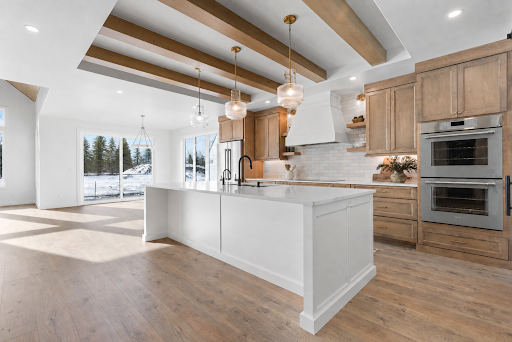
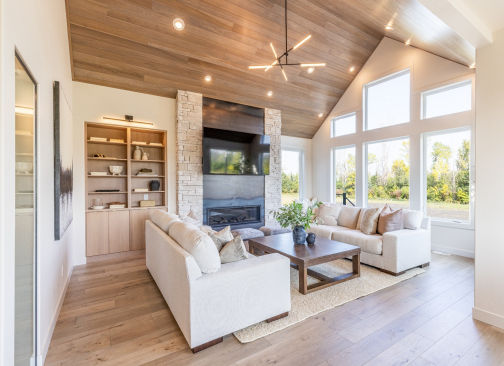
Designing your dream home is one of the most exciting aspects of the building process. This is your opportunity to create a space that reflects your personality, meets your needs, and enhances your lifestyle. Start by gathering inspiration from various sources such as magazines, websites, and social media platforms. Create a vision board or digital portfolio to compile your favorite design elements, colors, and materials.
Collaborating with an architect or designer can help bring your vision to life. These professionals have the expertise to translate your ideas into functional and aesthetically pleasing designs. Discuss your preferences, budget, and any specific requirements you may have. Be open to their suggestions and feedback, as they can offer valuable insights and innovative solutions.
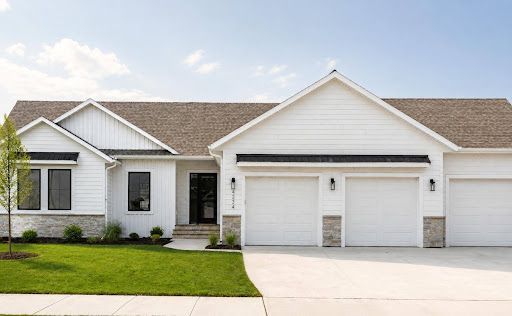
When designing your home, consider both the interior and exterior spaces. Think about the flow and layout of each room, as well as the placement of windows, doors, and fixtures. Pay attention to details such as lighting, storage, and energy efficiency. By carefully planning and designing each aspect of your home, you can create a harmonious and comfortable living environment that you'll enjoy for years to come.
Key Construction Phases
The construction phase is where your dream home starts to take shape. Understanding the key construction phases can help you stay informed and engaged throughout the process. The first phase is site preparation, which involves clearing the land, grading, and laying the foundation. This step is crucial for ensuring a stable and level base for your home.
Once the foundation is in place, the framing phase begins. This involves constructing the skeleton of the house, including walls, floors, and roof trusses. During this stage, you'll start to see the basic structure of your home come together. Next, the exterior work is completed, including roofing, siding, and windows. This phase protects the interior from the elements and prepares the home for interior finishes.
The final phase involves installing systems such as electrical, plumbing, and HVAC, as well as completing interior finishes like drywall, flooring, and cabinetry. Throughout the construction process, it's important to conduct regular inspections and communicate with your builder to ensure everything is progressing as planned. By staying involved and informed, you can address any issues promptly and ensure the quality of your new home.
Final Walkthrough and Inspections
As your home nears completion, it's time for the final walkthrough and inspections. This step is crucial for identifying any issues or deficiencies that need to be addressed before you move in. Schedule a walkthrough with your builder to carefully examine every aspect of your home. Pay attention to details such as paint, trim, fixtures, and finishes. Test all systems, including electrical, plumbing, and HVAC, to ensure they are functioning properly.
During the walkthrough, create a punch list of any items that need to be corrected or completed. This list should include both minor cosmetic issues and any significant defects. Work with your builder to establish a timeline for addressing these items. It's important to be thorough and meticulous during this process to ensure your home meets your expectations and quality standards.
In addition to the final walkthrough, schedule any required inspections by local authorities. These inspections verify that your home complies with building codes and safety regulations. Once all inspections are completed and any necessary corrections are made, you can obtain a certificate of occupancy. This document certifies that your home is safe and ready for you to move in.
Conclusion and Next Steps
Building your dream home is an exciting and rewarding journey that requires careful planning, attention to detail, and collaboration with professionals. By following our essential home builders checklist, you can navigate the process with confidence and achieve your vision of a perfect home. From pre-construction planning to the final walkthrough, each step is crucial for ensuring a successful and stress-free home-building experience.
As you move forward, continue to stay organized and proactive. Keep open lines of communication with your builder, monitor your budget, and address any issues promptly. Remember that building a home is a dynamic process that may require flexibility and adaptability. By staying engaged and informed, you can overcome challenges and make informed decisions that will lead to a beautiful and functional home.
Once your home is complete, take the time to settle in and enjoy the fruits of your labor. Personalize your space with furnishings, decor, and landscaping that reflect your style and preferences. Celebrate this significant milestone with family and friends, and create lasting memories in your new home. Your journey to building your dream home may have been complex, but the end result is a place where you can truly thrive and enjoy life to the fullest.

Recent Posts