Your Guide to Building a Custom Home: Step-by-Step Process
Understanding Your Budget and Financing Options
Building a custom home is an exhilarating endeavor, but it begins with a realistic assessment of your financial capacity. Determining your budget is the cornerstone of the entire project. Start by evaluating your current financial situation, considering your savings, income, and any existing debts. This initial step is crucial as it defines the scope of your project and sets the boundaries for your dream home.
Next, explore various financing options available to you. Traditional home loans, construction loans, and specialized financing products like FHA construction loans can provide the necessary funds. Construction loans are specifically designed for building homes and typically cover the cost of the land, labor, materials, and permits. The interest rates and terms may differ from conventional mortgages, so it’s essential to shop around and compare offers from multiple lenders.
Additionally, consult with a financial advisor or mortgage broker to understand the implications of different loan types and to ensure you’re making informed decisions. Remember, the goal is to strike a balance between achieving your dream home and maintaining financial stability. Keep in mind that unforeseen expenses can arise during construction, so having a contingency fund is highly recommended. This financial cushion will help you navigate any surprises without derailing your project.
Choosing the Right Location for Your Custom Home
Selecting the perfect location for your custom home is a decision that will influence your lifestyle, convenience, and future property value. Start by identifying your priorities: proximity to work, quality of local schools, access to amenities, and the overall ambiance of the neighborhood. These factors will guide you in narrowing down potential locations that align with your needs and preferences.
Research the local real estate market to understand property values and trends in the areas you’re considering. It’s beneficial to consult with a local real estate agent who can provide insights into the best neighborhoods and any upcoming developments that might affect your decision. Additionally, consider the long-term growth potential of the area; a location with planned infrastructure improvements or commercial developments can increase your property’s value over time.
Once you’ve shortlisted a few locations, visit them at different times of the day and week to get a genuine feel for the environment. Pay attention to traffic patterns, noise levels, and overall safety. Also, consider the topography and soil quality of the land, as these factors can significantly impact construction costs and feasibility. By thoroughly evaluating each aspect, you can confidently choose a location that not only meets your immediate needs but also promises a prosperous future.
Designing Your Custom Home: Key Considerations
Designing your custom home is where your vision starts to take shape. It’s an exhilarating phase, but it requires careful planning and attention to detail. Begin by listing your must-haves and nice-to-haves. Consider your current lifestyle and anticipate any future needs. For example, if you’re planning to expand your family or work from home more frequently, these factors should influence your design choices.
Engage with an experienced architect or a residential designer who can translate your ideas into functional and aesthetically pleasing plans. Share your vision, including inspirations from magazines, websites, or homes you’ve admired. This will help the professional understand your style preferences and practical requirements. Collaboration is key in this phase, as the designer will offer valuable insights and suggestions that you might not have considered.
Incorporate sustainable and energy-efficient features into your design to reduce your environmental footprint and save on long-term utility costs. Consider options like solar panels, energy-efficient windows, and smart home technologies. Additionally, think about the flow and layout of your home. Open floor plans are popular for their spacious feel, but you must ensure privacy and functionality in key areas like bedrooms and bathrooms. By thoughtfully designing your custom home, you lay the foundation for a space that is uniquely yours and perfectly suited to your lifestyle.
Selecting the Right Builder for Your Project
Choosing the right builder is one of the most critical decisions in your custom home journey. The builder you select will be responsible for turning your vision into reality, so it’s essential to choose someone who is experienced, reliable, and trustworthy. Start by researching builders in your area and asking for recommendations from friends, family, or your architect.
Once you have a list of potential builders, conduct thorough interviews to gauge their expertise and compatibility with your project. Ask about their experience with custom homes, request to see their portfolio, and inquire about their process and timeline. It’s also beneficial to visit some of their completed projects and speak with previous clients to get a sense of their workmanship and customer satisfaction.
Ensure the builder is licensed and insured, and check for any complaints or legal issues with local regulatory bodies or the Better Business Bureau. Clear communication is crucial, so choose a builder who listens to your ideas, answers your questions, and provides regular updates throughout the construction process. A good builder will not only execute your plans with precision but will also offer valuable insights and solutions to any challenges that arise. By selecting the right builder, you set the stage for a smooth and successful construction journey.
The Importance of Permits and Regulations
Navigating the world of permits and regulations is an essential part of building a custom home. These legal requirements ensure that your construction project meets local building codes, zoning laws, and safety standards. Failing to obtain the necessary permits can result in fines, delays, and even the need to undo completed work.
Start by researching the specific permits required for your project, which can vary depending on your location and the scope of the work. Common permits include building permits, electrical permits, plumbing permits, and mechanical permits. Your builder or architect can often assist with this process, but it’s your responsibility to ensure that all necessary permits are obtained before construction begins.
Understanding local zoning laws is also crucial, as they dictate what can be built on a piece of land, including setbacks, height restrictions, and the types of structures allowed. Zoning laws can impact the design and layout of your home, so it’s important to familiarize yourself with these regulations early in the planning process. Additionally, consider any homeowners’ association (HOA) rules if you’re building in a community with an HOA. These rules can affect everything from the exterior design of your home to landscaping choices.
By diligently adhering to permits and regulations, you ensure that your custom home project proceeds smoothly and legally. This not only protects your investment but also contributes to the safety and quality of your new home.
The Construction Process: What to Expect
The construction phase is where your custom home starts to come to life. Understanding the construction process and what to expect can help you navigate this phase with confidence. The process typically begins with site preparation, which includes clearing the land, grading, and laying the foundation. This is a critical st
age, as a strong foundation is essential for the structural integrity of your home.
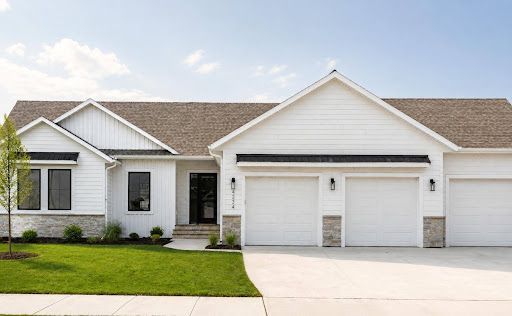
Once the foundation is in place, the framing process begins. This involves constructing the skeleton of the house, including walls, floors, and roof trusses. During this phase, you’ll start to see the basic shape and layout of your home. After framing, the next steps include installing windows and doors, roofing, and exterior finishes such as siding or brickwork. These elements provide the exterior shell of your home and protect it from the elements.
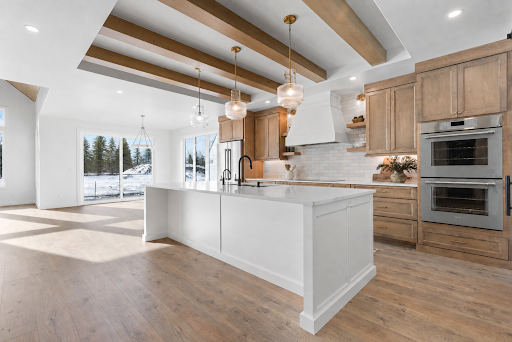
Interior work begins after the exterior is complete. This includes electrical wiring, plumbing, HVAC systems, and insulation. Drywall is then installed to create the interior walls and ceilings. Once the walls are up, the focus shifts to interior finishes such as flooring, cabinetry, countertops, and paint. These finishing touches bring your design vision to life and make your house feel like a home.
Throughout the construction process, regular inspections are conducted to ensure that the work meets building codes and quality standards. Clear communication with your builder is crucial during this phase to address any issues or changes promptly. By understanding the construction process and maintaining open lines of communication, you can ensure that your custom home is built to your specifications and standards.
Interior Design and Finishing Touches
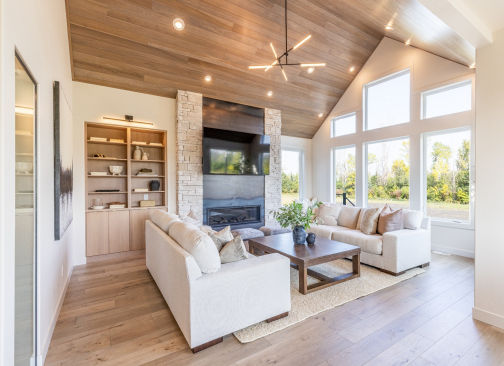
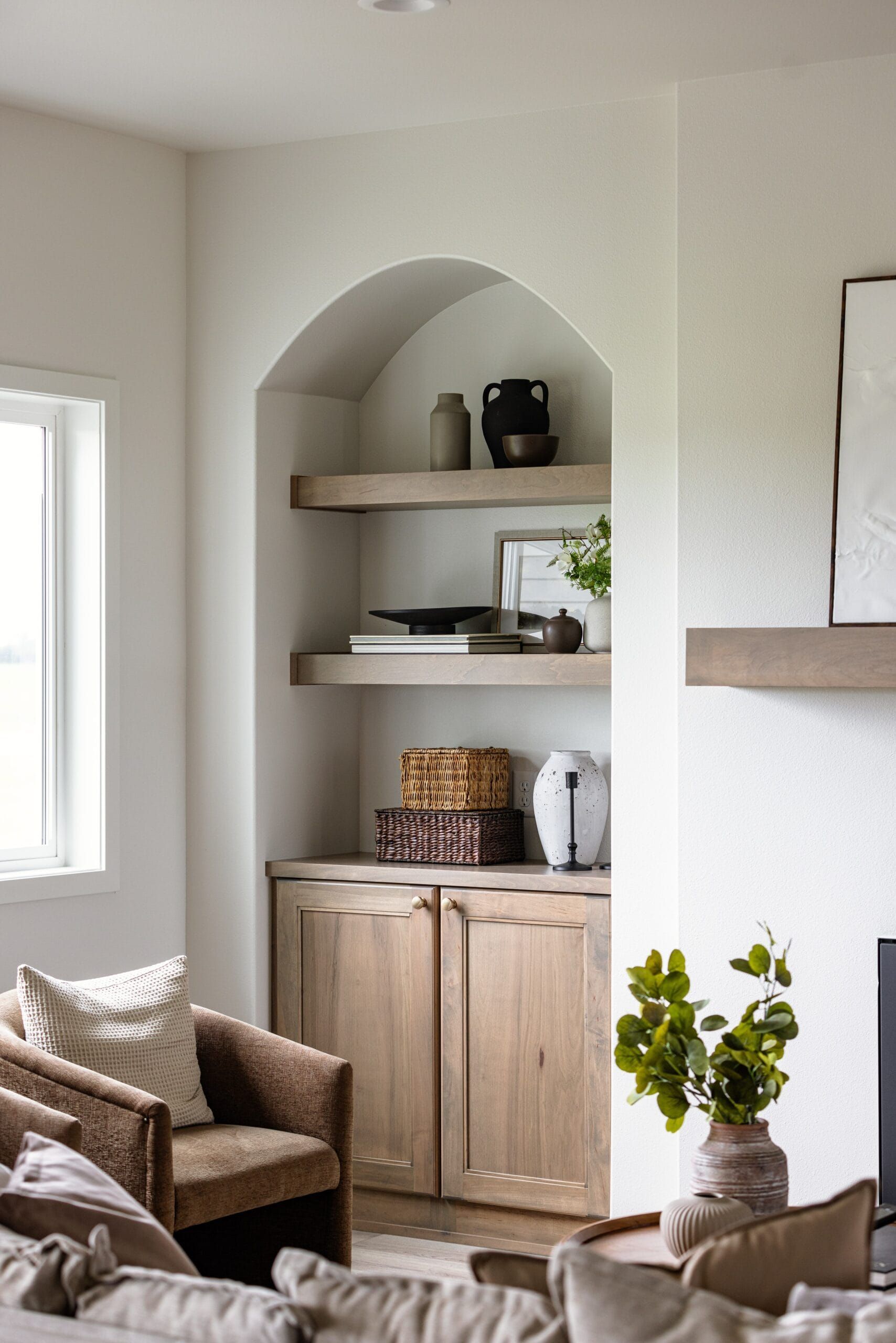
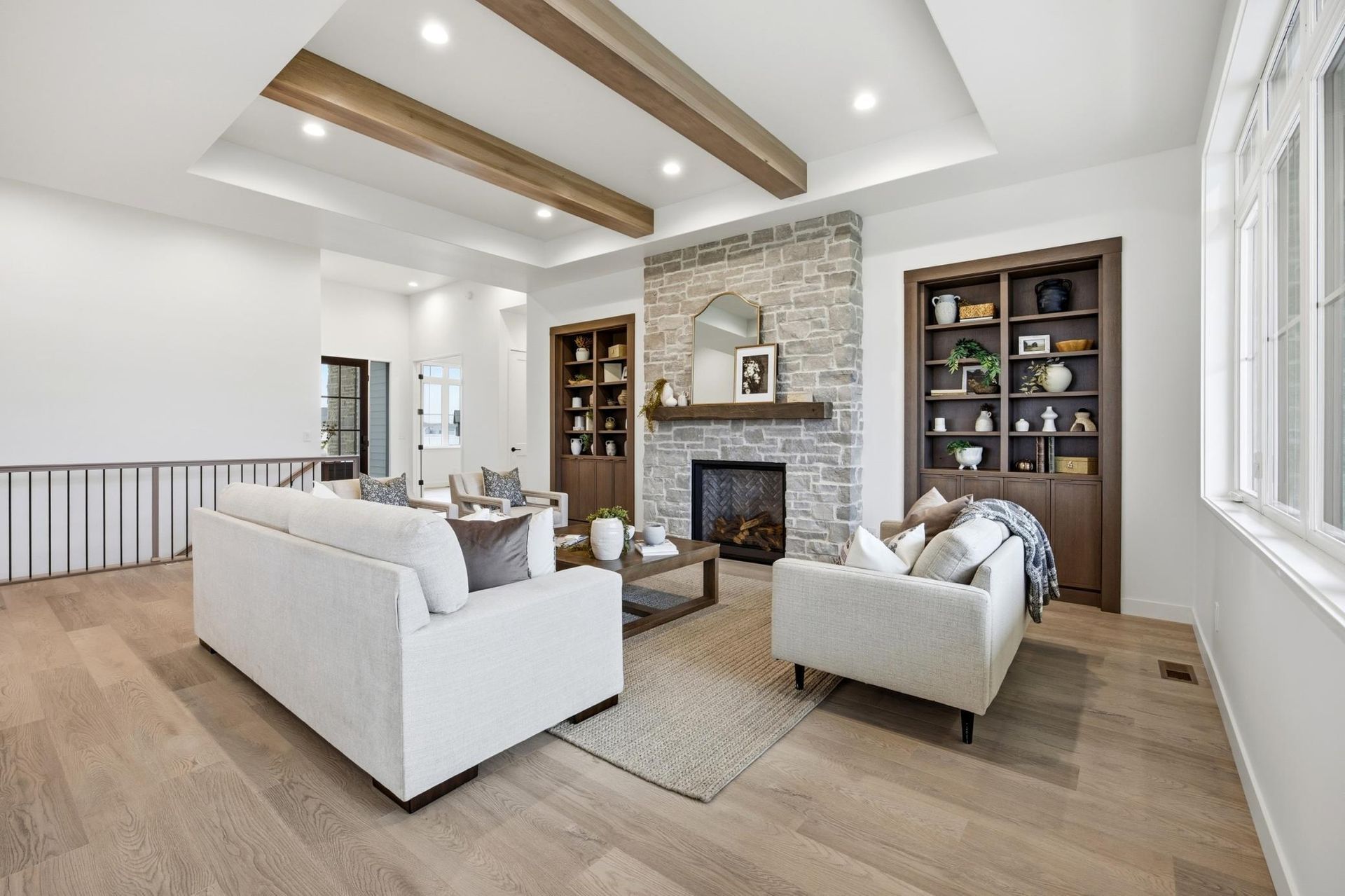
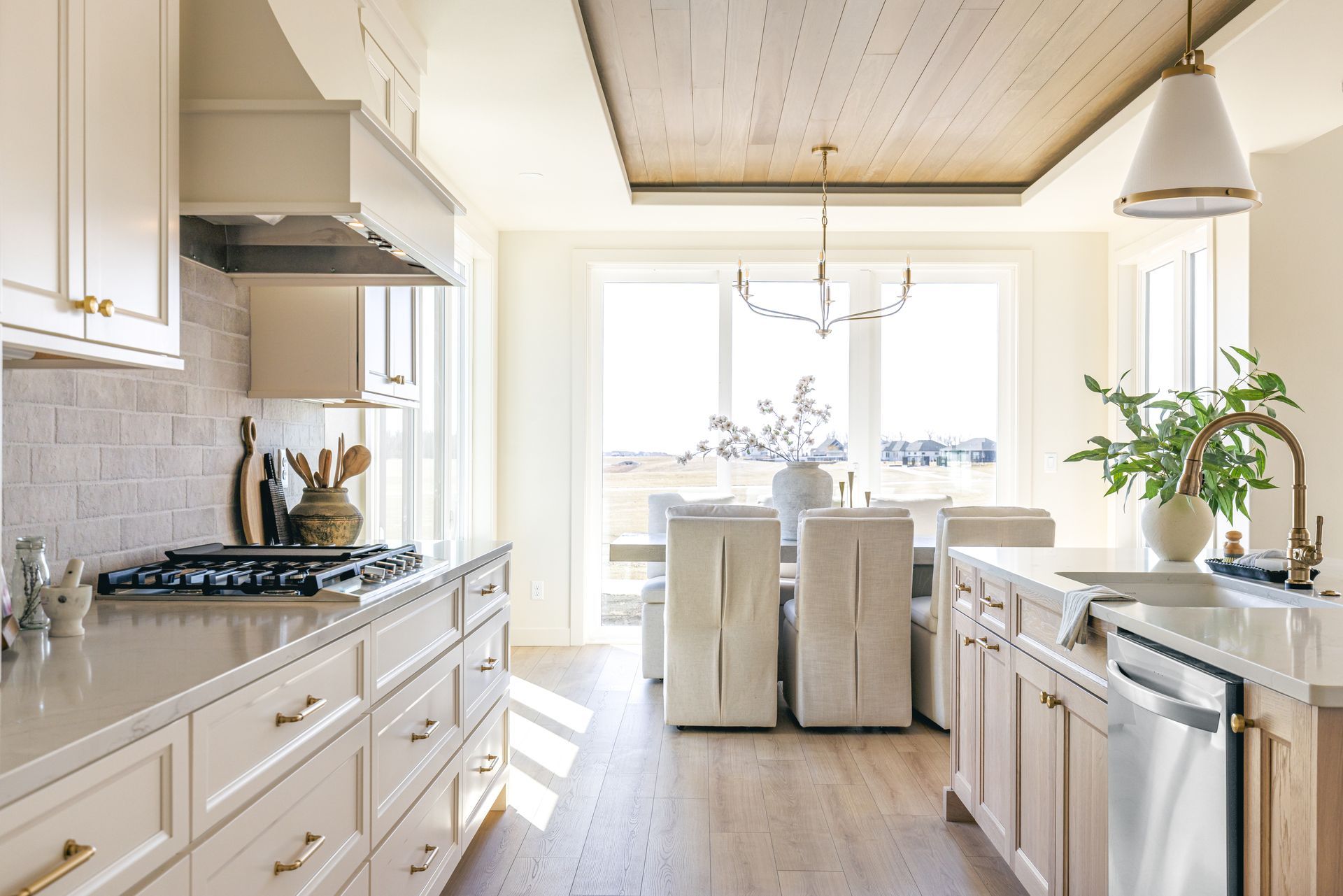
Interior design is where your personal style and preferences truly shine. This phase involves selecting and coordinating various elements such as paint colors, flooring, lighting, and furniture to create a cohesive and inviting space. Start by defining your design style, whether it’s modern, traditional, rustic, or eclectic. Your chosen style will guide your decisions and help create a harmonious look throughout your home.
Work with an interior designer if you need professional guidance. They can help you select materials, colors, and furniture that complement each other and fit your budget. Consider the functionality of each space and how it will be used. For example, a busy family kitchen should have durable, easy-to-clean surfaces, while a cozy living room might benefit from plush, comfortable seating.
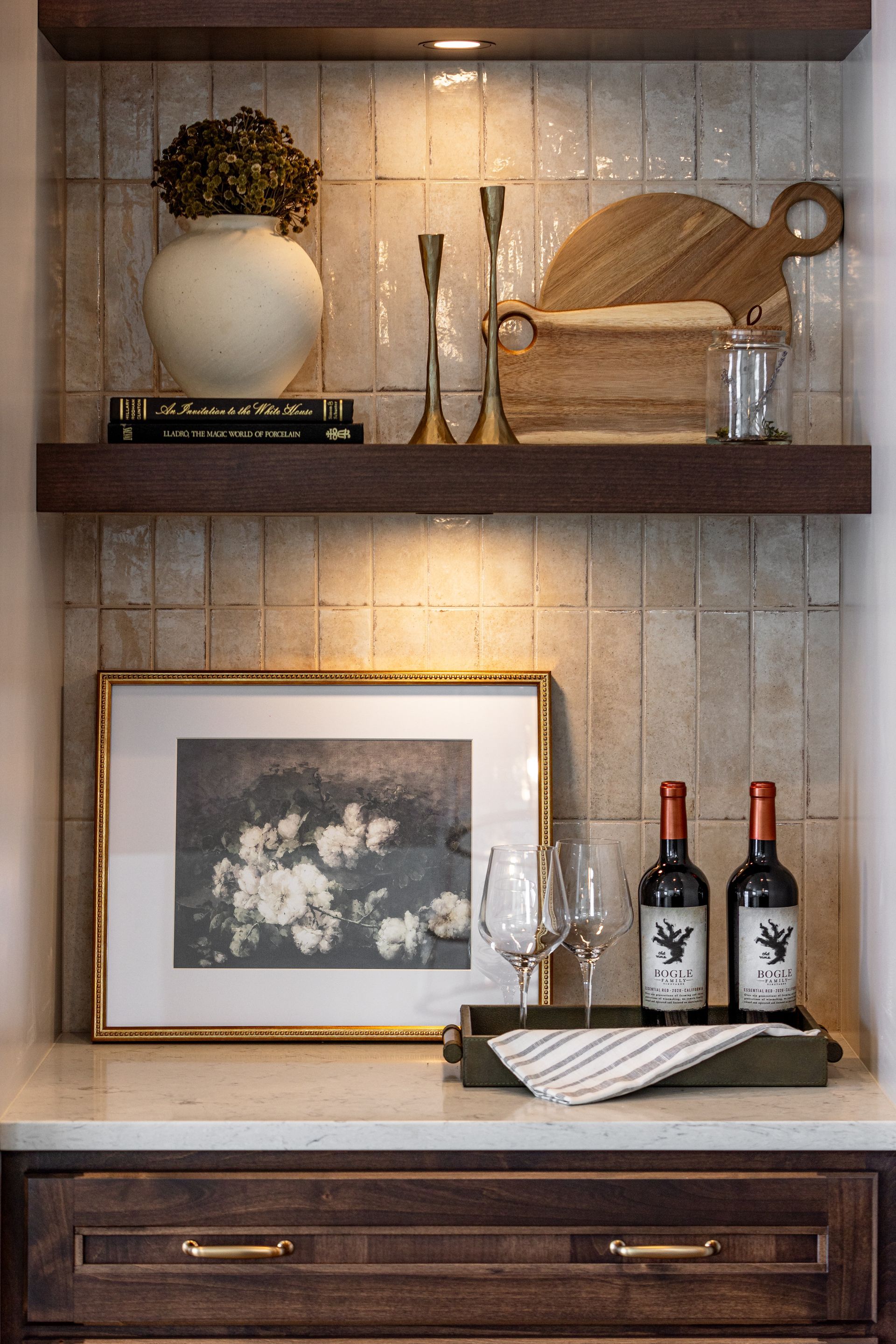
Pay attention to the details that make a space feel complete. This includes fixtures like faucets, door handles, and light switches, as well as decorative elements like artwork, rugs, and throw pillows. Personal touches, such as family photos or heirloom pieces, add character and warmth to your home. By carefully selecting and coordinating these elements, you can create an interior that is not only beautiful but also reflects your personality and lifestyle.
Post-Construction: Moving In and Settling Down
Once construction is complete, the excitement of moving into your custom home begins. However, there are several important steps to ensure a smooth transition. Start by conducting a final walkthrough with your builder to inspect the finished home. This is your opportunity to identify any issues or incomplete work that needs to be addressed before you move in. Create a punch list of any items that require attention and work with your builder to resolve them promptly.
Next, arrange for essential services such as utilities, internet, and security systems to be set up before your move-in date. This ensures that your home is fully functional from day one. Plan your move carefully, considering whether you’ll hire professional movers or handle it yourself. Labeling boxes and organizing your belongings by room can make the unpacking process more efficient.
Once you’re settled in, take the time to familiarize yourself with the systems and features of your new home. Review the manuals for appliances, HVAC systems, and any smart home technologies. Establish a maintenance schedule to keep your home in top condition, including regular inspections of the roof, plumbing, and HVAC systems. By taking these steps, you can ensure a smooth transition into your new custom home and enjoy the fruits of your labor.
Conclusion and Final Tips for Custom Home Builders
Building a custom home is a rewarding journey that allows you to create a living space tailored to your unique needs and preferences. By following this step-by-step guide, you can navigate the process with confidence and avoid common pitfalls. Start with a clear understanding of your budget and financing options, and choose a location that meets your lifestyle and future growth potential.
Design your home with careful consideration of your current and future needs, and select a builder who is experienced, reliable, and communicative. Adhere to all permits and regulations to ensure a smooth and legal construction process. Throughout construction, maintain clear communication with your builder and stay involved in the process.
Finally, focus on the finishing touches and interior design to create a space that reflects your personality and lifestyle. Moving into your custom home is an exciting milestone, and by taking the time to settle in properly, you can fully enjoy the benefits of your new living space. Building a custom home is a significant investment, but with careful planning and execution, it can be a fulfilling and life-changing experience.
Recent Posts